


To spread the teaching methods and approaches developed by the Sirius Educational Centre, and in accordance with the instruction of the President of the Russian Federation, 85 regional centres based on the Sirius model have been established in every region of the country and in Baikonur, except for the new constituent entities of Russia.
Their main goal is to improve the identification, support and development of gifted children in every region, including within Russia’s national development goals to 2036. Regional centres systematically improve supplementary education and pool the region’s teaching, administrative, intellectual, scientific, technical and information resources to develop young talent and create new opportunities for them.
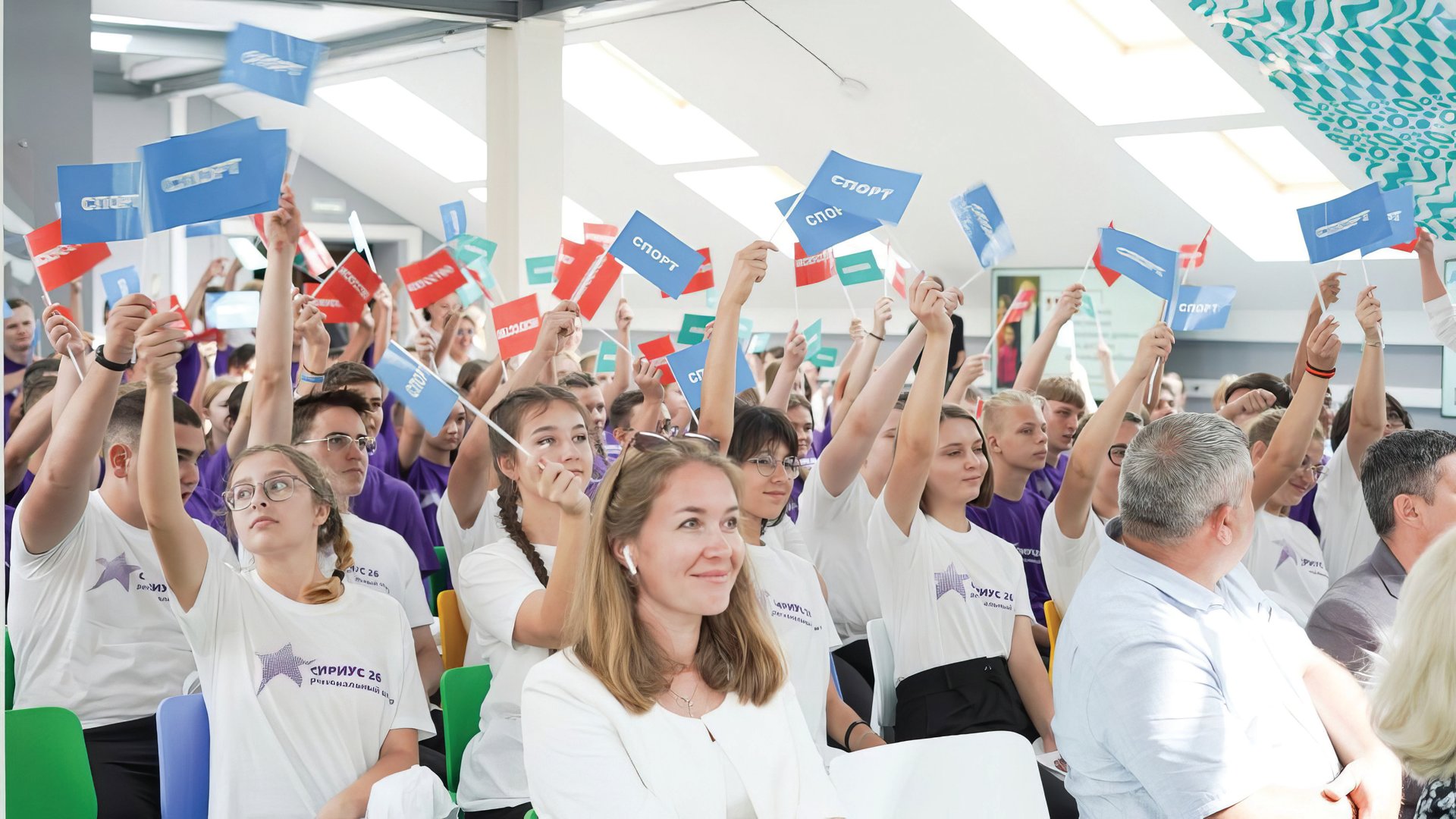
The centres’ work is based on the Strategy for Scientific and Technological Development of Russia in natural sciences and mathematics, as well as on cultural and sports traditions that reflect regional specifics and needs. To this end they cooperate with leading local universities, educational and research centres, involving their experts in joint projects and research.
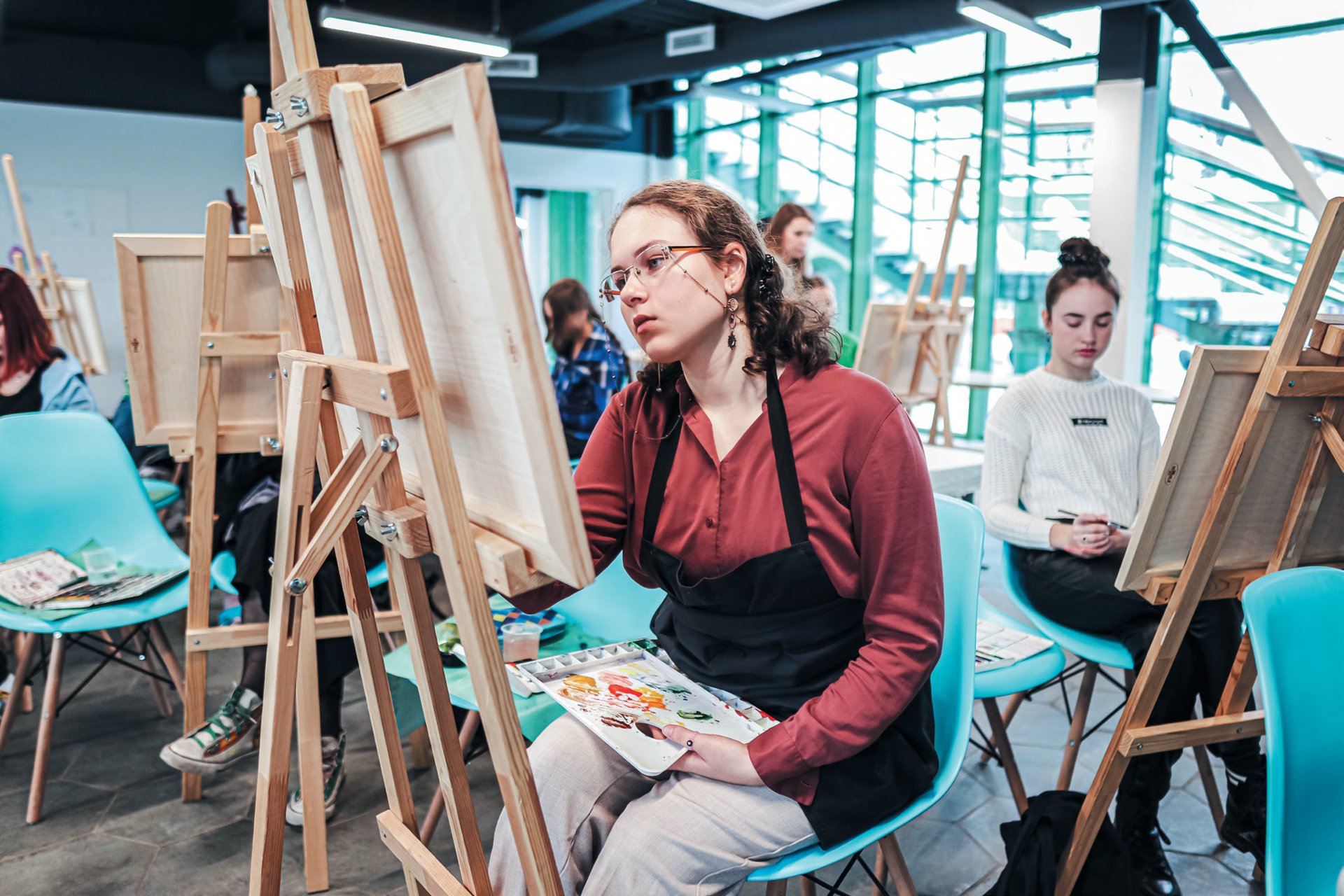
Like the Sirius Educational Centre, the regional centres work in three areas: Science, Arts and Sport. But they do not simply copy it — each centre adapts its programmes to the regional economy and cultural and sports traditions.
- Voskhod, the Kamchatka Krai regional centre, runs unique programmes in aquatic bioresources, volcanology and geophysics.
- Antares in Kostroma Oblast and Solaris in Ivanovo Oblast run jewellery-making programmes, supporting local traditions and the regional jewellery industry.
- At the Kurchatov Centre in Chelyabinsk Oblast students study printmaking and linocut — an important area for art education and creativity in the region.
- Astorium in the Republic of Buryatia trains schoolchildren in archery, developing physical endurance and preserving the ancient traditions of Buryat folk sport.
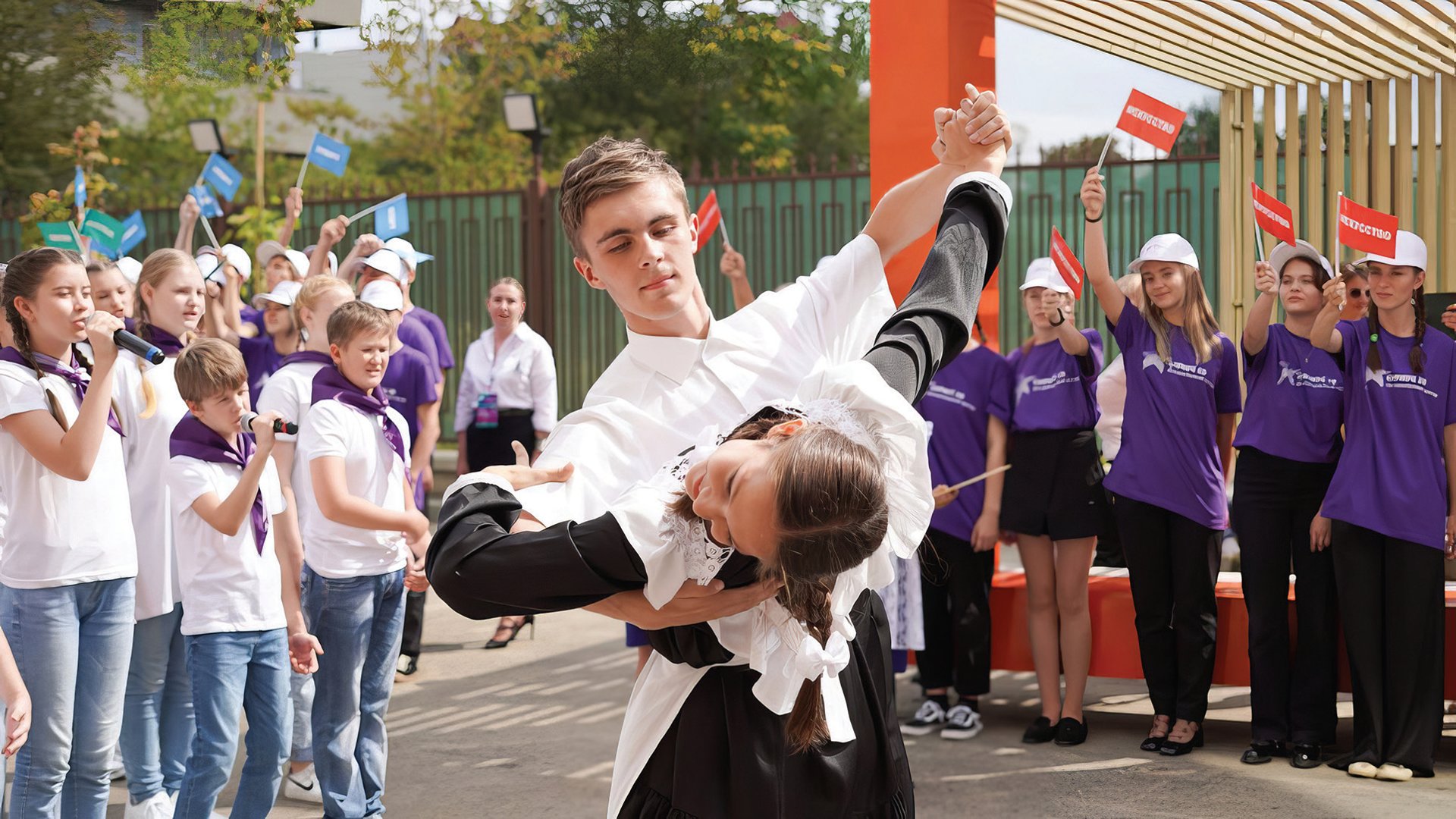
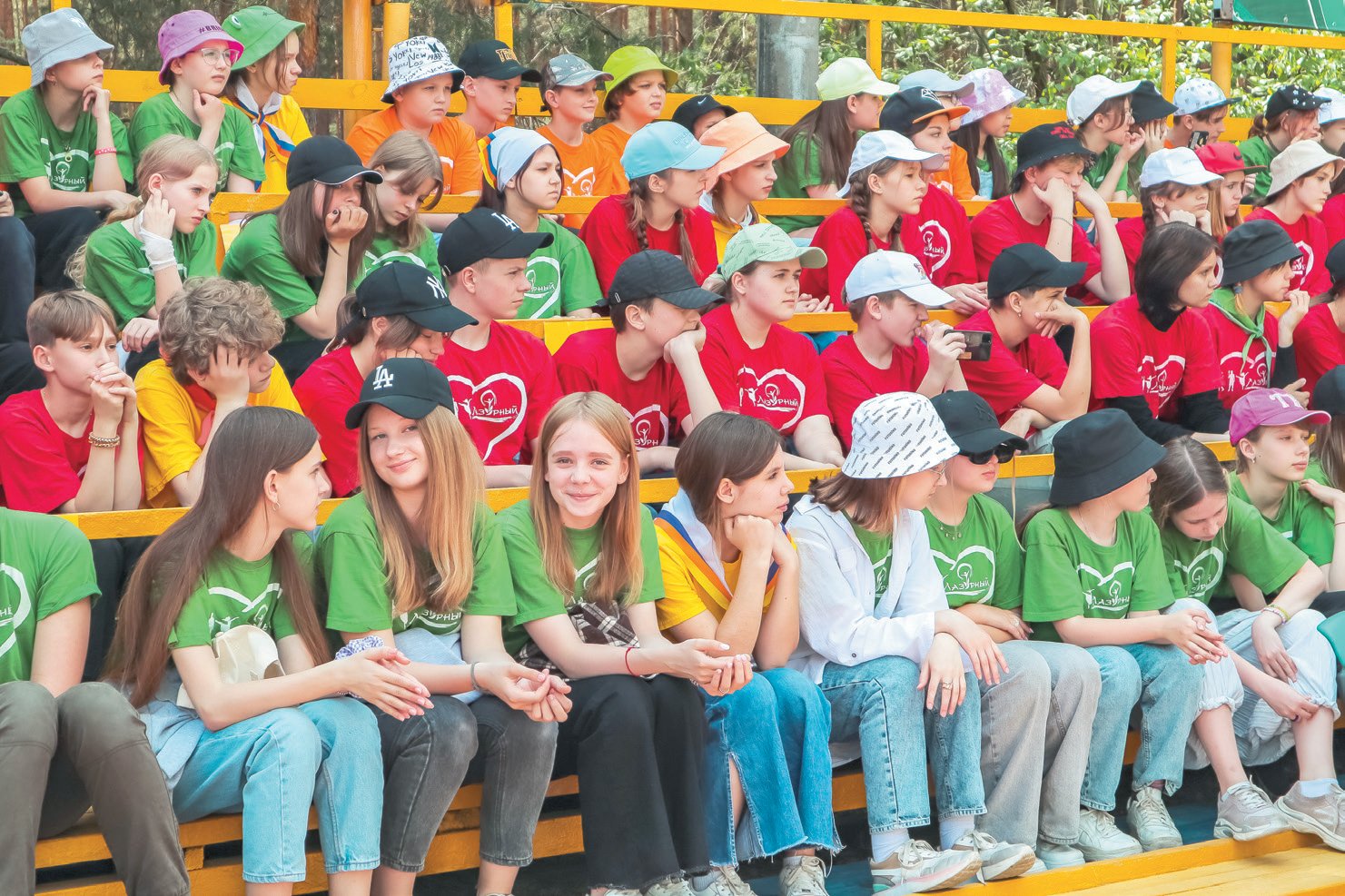
Representatives of the Donetsk and Luhansk People’s Republics and the Zaporizhzhia and Kherson regions take part in interregional conferences, professional development programmes and seminars of the Talent and Success Foundation to share experience in identifying, developing and supporting talented youth.
The Talent and Success Educational Foundation not only provides methodological and expert support to the regional centres but also shares the experience of the country’s leading schools, helps recruit top teachers and coaches, monitors the achievements of regional centre alumni and talented children in the region, helps them with internships and employment, and disseminates best teaching practice.
Many regional centres have become hubs for cooperation with leading scientific, cultural, sports and public organisations and industrial companies. They consolidate educational, cultural and sports resources, run intensive programmes and coordinate olympiads and competitions in the region — including the school, municipal and regional stages of the All-Russian School Olympiad, the Big Challenges international science and technology project competition, the Sirius.Summer: Start Your Project initiative, the Lessons of the Present programme introducing students to leaders in science, technology and industry, and the Sirius.AI programme on project tasks in artificial intelligence and related fields.
Following competitive selection, every schoolchild can study free of charge on the regional centre’s programmes.
Regional centres offer both in-person and distance learning: specialised regional sessions, regular programmes in various formats, and events to identify and support outstanding abilities and high motivation in children and young people. The centres also cooperate with each other, running joint educational programmes and interregional events for students, administrative teams and teachers.
Information as of 1 June 2026.